Exploring the world of solar panels without smart meters, this article delves into the key aspects that every consumer should be aware of. From the benefits to the installation process, get ready to uncover valuable insights on this innovative energy solution.
Providing a detailed breakdown of the topic, this article aims to equip readers with essential knowledge about using solar panels without the need for a smart meter.
Introduction to Solar Panels Without Smart Meter
In the context of solar panels, smart meters are devices that track and record the amount of electricity generated by the solar panels. They provide real-time data on energy production, consumption, and grid interaction.
Smart meters play a crucial role in solar panel installations as they enable homeowners to monitor their energy usage, optimize energy production, and even sell excess electricity back to the grid. They provide valuable insights for better energy management and cost savings.
Using Solar Panels Without Smart Meters
While smart meters are highly beneficial for solar panel users, it is possible to operate solar panels without them. In such cases, homeowners may not have access to real-time data on energy production and consumption, which can limit their ability to maximize energy efficiency and savings.
Benefits of Using Solar Panels Without Smart Meter
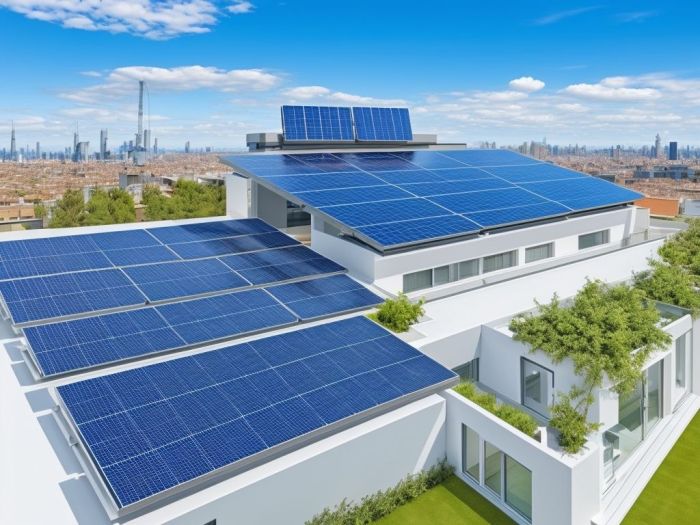
When considering solar panels, there are several advantages to opting for a setup without a smart meter. Let's explore the benefits, cost implications, and potential energy savings associated with this choice.
Lower Installation Costs
One of the main benefits of using solar panels without a smart meter is the lower installation costs. Smart meters can add to the upfront expenses of setting up a solar panel system. By eliminating the need for a smart meter, homeowners can save money on the installation process.
Reduced Monitoring Fees
Smart meters often come with monitoring fees that can increase the overall cost of using solar panels. By opting for a system without a smart meter, homeowners can avoid these additional fees and reduce their overall expenses in the long run.
Increased Energy Savings
Although smart meters can provide real-time data on energy usage, they may not always result in significant energy savings. By using solar panels without a smart meter, homeowners can still benefit from the energy generated by the panels without the need for constant monitoring. This can lead to substantial savings on electricity bills over time.
Installation and Setup Process
When it comes to installing and setting up solar panels without a smart meter, it is important to follow a specific process to ensure everything works correctly. Below is a step-by-step guide on how to connect solar panels in the absence of a smart meter.Connecting Solar Panels
- Identify a suitable location for your solar panels where they will receive maximum sunlight.
- Mount the solar panels securely on the roof or in an area with minimal shading.
- Connect the solar panels to a charge controller to regulate the amount of power going to the batteries.
- Connect the charge controller to a battery bank to store the energy generated by the solar panels.
- Connect an inverter to the battery bank to convert the stored DC power into AC power for use in your home.
- Connect the inverter to your home's electrical system to distribute the solar-generated electricity throughout your home.
It is crucial to follow the manufacturer's instructions and safety guidelines when installing and setting up solar panels.
Specific Requirements and Considerations
- Ensure that the components you are using are compatible with each other to avoid any damage or malfunctions.
- Consider the wiring and cable lengths needed to connect the different components effectively.
- Regularly monitor the system's performance to ensure everything is working efficiently.
Monitoring and Maintenance
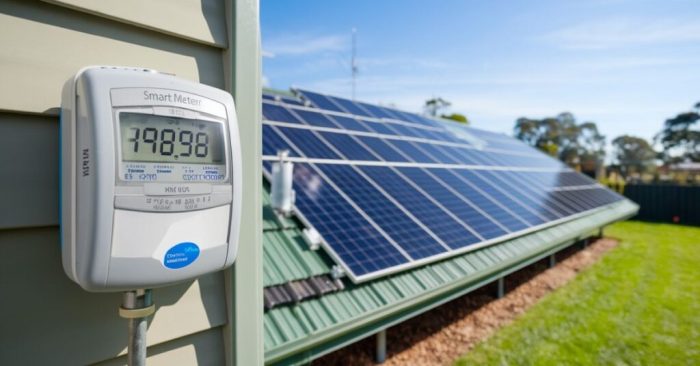 Monitoring the performance of solar panels without a smart meter is essential to ensure optimal efficiency and productivity. By keeping track of various factors and implementing regular maintenance, you can maximize the benefits of using solar panels without a smart meter.
Monitoring Performance
- Regularly check the energy production of your solar panels through the inverter display. This will give you real-time insights into how much energy your panels are generating.
- Monitor the weather conditions as they can impact the efficiency of your solar panels. Cloudy days or shading from nearby trees or buildings can affect energy production.
- Keep a record of your energy bills to compare your energy usage before and after installing solar panels. This will help you track the savings and effectiveness of your system.
Maintenance Practices
- Inspect your solar panels regularly for any signs of damage, dirt, or debris that may hinder their performance. Clean them with water and a soft brush to remove any buildup.
- Trim any overhanging branches or vegetation that may cast shadows on your solar panels, reducing their efficiency.
- Check the connections and wiring of your solar panels to ensure they are secure and functioning properly. Loose connections can lead to a drop in energy production.
Tips for Optimal Efficiency
- Adjust the tilt and orientation of your solar panels to maximize sunlight exposure throughout the day. This can significantly increase energy production.
- Invest in a solar monitoring system that does not require a smart meter. These devices can provide detailed insights into your energy consumption and production, helping you optimize your usage.
- Work with a professional solar panel installer for regular maintenance and servicing to ensure your system operates at peak performance levels.
Regulatory and Legal Considerations
When it comes to using solar panels without a smart meter, there are certain regulatory and legal considerations that need to be taken into account to ensure compliance and avoid any potential issues.Potential Challenges and Restrictions
- Some regions may have specific regulations that require the use of a smart meter with solar panel installations. It is important to check with local authorities or utility companies to understand any such requirements in your area.
- In certain cases, not having a smart meter connected to your solar panels may impact your ability to receive incentives or credits for renewable energy generation. This could result in financial losses or missed opportunities for savings.
- Without a smart meter, monitoring and reporting energy generation and consumption accurately can be challenging, which may lead to discrepancies in billing or compliance with net metering policies.
Guidance on Compliance
- Consult with a qualified solar energy provider or installer to ensure that your system meets all relevant laws and regulations regarding the use of solar panels without a smart meter.
- Keep detailed records of your energy generation and consumption to demonstrate compliance with any reporting requirements or regulations that may apply in your region.
- Stay informed about any changes in regulations or policies related to solar energy and smart meters to ensure that your system remains in compliance with the law.
Summary
In conclusion, understanding the nuances of using solar panels without a smart meter opens up a realm of possibilities for eco-conscious individuals looking to harness solar energy efficiently. With the right information at hand, you can make informed decisions that benefit both your wallet and the environment.
Essential FAQs
Are smart meters necessary for solar panel installations??
Smart meters are not a mandatory requirement for solar panels, but they can provide valuable data for monitoring energy consumption.
What are the cost implications of using solar panels without a smart meter?
Opting for solar panels without a smart meter may result in lower installation costs, as you won't need the additional metering equipment.
How can I monitor the performance of solar panels without a smart meter?
You can still monitor solar panel performance through other means such as inverter data or specialized monitoring devices.
Are there any legal considerations when using solar panels without a smart meter?
It's essential to check local regulations and compliance requirements to ensure you are using solar panels within the legal framework.