Embark on a journey into the realm of Connected Homes and the Rise of IoT Living, where technology seamlessly integrates with our daily lives, transforming the way we interact with our surroundings. As the world becomes increasingly interconnected, these advancements offer a glimpse into a future where convenience and efficiency converge to enhance our living experiences.
In this exploration, we will delve into the intricacies of smart devices, security concerns, integration challenges, energy efficiency solutions, and more, shedding light on how IoT is reshaping the way we perceive and interact with our homes.
Introduction to Connected Homes and IoT Living

Connected Homes and IoT Living refer to the concept of integrating smart technology and internet connectivity into various devices within a household to create a more interconnected and automated living environment.
This interconnected network allows devices such as thermostats, lights, security cameras, and appliances to communicate with each other and be controlled remotely through a smartphone or voice commands.
Benefits of IoT in Enhancing Daily Living
- Increased convenience: IoT technology allows for remote monitoring and control of various home devices, making it easier to manage daily tasks and routines.
- Energy efficiency: Smart thermostats and lighting systems can optimize energy usage by adjusting settings based on occupancy and preferences, leading to cost savings.
- Improved security: IoT-enabled security cameras and sensors provide real-time alerts and monitoring, enhancing home security and peace of mind.
- Enhanced comfort: Smart devices can create personalized settings for temperature, lighting, and entertainment preferences, improving overall comfort within the home.
Smart Devices in Connected Homes
Smart devices play a crucial role in connected homes, enabling automation, efficiency, and convenience for homeowners. These devices are designed to communicate with each other seamlessly and are often controlled remotely through smartphones or voice assistants.Popular Smart Devices Used in Connected Homes
- Smart Thermostats: These devices regulate the temperature in homes based on preferences and usage patterns, helping save energy and costs.
- Smart Lighting: Lighting systems that can be controlled remotely, scheduled, or adjusted based on natural light levels or occupancy.
- Smart Security Cameras: Cameras that provide real-time monitoring and alerts, enhancing home security.
- Smart Plugs: Allow users to control appliances remotely, monitor energy usage, and create schedules for devices.
How Smart Devices Communicate with Each Other
Smart devices in connected homes communicate through protocols such as Wi-Fi, Bluetooth, Zigbee, or Z-Wave. These protocols enable devices to send and receive data, commands, and notifications to create a cohesive smart home ecosystem. For example, a smart thermostat can communicate with smart lighting to adjust brightness based on room temperature settings.Role of AI in Controlling Smart Devices
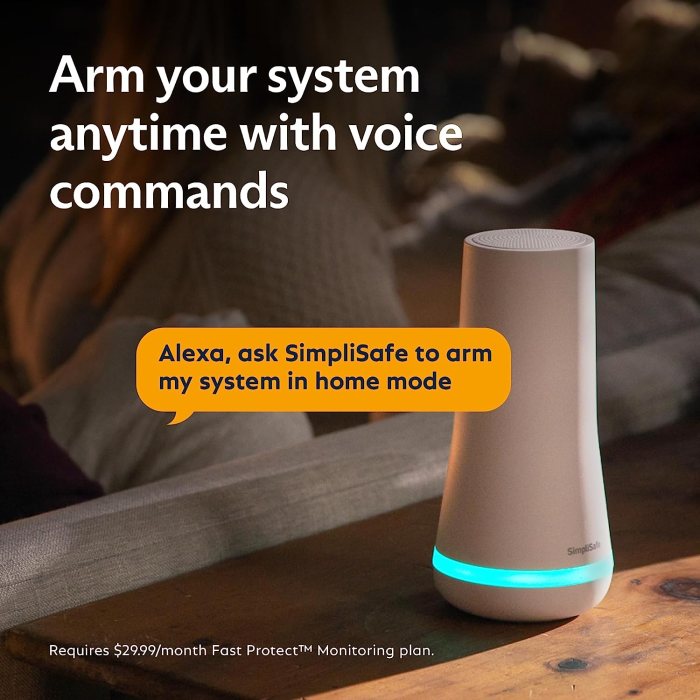
AI plays a crucial role in controlling smart devices by analyzing data, learning user preferences, and optimizing device functionality. AI-powered assistants like Amazon Alexa or Google Assistant can interpret voice commands to control various smart devices in a home, creating a more intuitive and personalized experience for users.Security and Privacy Concerns in IoT Living
In the realm of IoT living, security and privacy concerns are paramount due to the interconnected nature of devices and networks. As more smart devices are integrated into our homes, the risks of cyber threats and data breaches increase significantly. It is crucial to address these issues to ensure a safe and secure IoT environment.Common Security Risks in Connected Homes
- Unsecured devices: Many IoT devices come with default passwords or weak security measures, making them vulnerable to hacking.
- Network vulnerabilities: Weak encryption protocols and open networks can be exploited by cybercriminals to gain access to sensitive data.
- Data breaches: The vast amount of personal information collected by IoT devices can be a target for cyber attacks, leading to identity theft or unauthorized access.
- Unauthorized access: Hackers can infiltrate connected homes through unprotected devices and networks, gaining control over smart devices or monitoring activities.
Measures to Secure IoT Devices and Networks
- Change default passwords: Always change default passwords on IoT devices to unique, strong passwords to prevent unauthorized access.
- Update firmware regularly: Keep IoT devices updated with the latest security patches to address vulnerabilities and enhance protection.
- Use encryption: Employ encryption technologies to secure data transmission between devices and networks, safeguarding information from interception.
- Implement network segmentation: Separate IoT devices from critical systems to contain potential breaches and limit access to sensitive data.
The Importance of Data Privacy in IoT Environments
- Protecting personal information: Data collected by IoT devices, such as location, habits, and preferences, must be safeguarded to prevent misuse or exploitation.
- Compliance with regulations: Adhering to data protection laws and regulations ensures that user privacy rights are respected and enforced in IoT ecosystems.
- Building trust with users: By prioritizing data privacy and security, IoT providers can establish trust with consumers and maintain a positive reputation in the market.
Integration and Compatibility of IoT Devices
When it comes to the Internet of Things (IoT), one of the key challenges is ensuring that various devices can seamlessly integrate and work together in a connected home environment. This requires compatibility between different devices and systems to enable smooth communication and functionality.
Challenges in Integrating IoT Devices
Integrating IoT devices from different manufacturers can be a complex task due to variations in communication protocols, data formats, and standards. This can lead to interoperability issues, making it difficult for devices to communicate effectively with each other.
- Compatibility Issues: Different IoT devices may use different communication protocols such as Wi-Fi, Bluetooth, Zigbee, or Z-Wave, which can cause compatibility issues when trying to connect them in a single network.
- Interoperability Concerns: Lack of a universal standard for IoT devices can result in interoperability concerns, where devices may not be able to understand each other's commands or data formats.
- Complex Setup Processes: Setting up and configuring multiple IoT devices from various brands can be time-consuming and challenging, especially for non-technical users.
Protocols for Device Compatibility
To address the challenges of device integration and compatibility in IoT living, various protocols are used to establish communication standards and ensure seamless connectivity between devices.
| Protocol | Description |
|---|---|
| MQTT (Message Queuing Telemetry Transport) | A lightweight messaging protocol that is ideal for IoT applications, enabling efficient communication between devices. |
| CoAP (Constrained Application Protocol) | Designed for resource-constrained IoT devices, CoAP provides a simple and efficient way for devices to communicate over the internet. |
| Thread | A low-power wireless protocol that allows IoT devices to form a mesh network for reliable and secure communication. |
Examples of Device Integration
Despite the challenges, there are examples of how different IoT devices can work together seamlessly in a connected home environment, enhancing convenience and efficiency for users.
For instance, a smart thermostat can communicate with smart lighting systems to adjust the lighting based on the temperature settings, creating a comfortable and energy-efficient living space.
Similarly, a smart security camera can be integrated with a smart lock system to provide real-time monitoring and secure access control for homeowners.
Energy Efficiency and Sustainability in Connected Homes
Smart IoT technology plays a crucial role in enhancing energy efficiency within connected homes. By incorporating sensors, smart devices, and automation, homeowners can monitor and control their energy consumption more effectively, leading to significant reductions in waste and unnecessary usage. These advancements not only benefit individual households but also contribute to a more sustainable environment by reducing overall energy demand and carbon footprint.Smart Solutions for Energy Consumption Reduction
Implementing smart solutions in connected homes can help residents optimize their energy usage and contribute to a more sustainable future. Some examples include:
- Smart Thermostats: These devices learn the household's heating and cooling preferences and adjust the temperature accordingly, leading to energy savings.
- Smart Lighting Systems: Energy-efficient LED bulbs controlled by smart devices can be programmed to turn off when not in use or adjust brightness based on natural light levels.
- Energy Monitoring Systems: Smart meters and sensors provide real-time data on energy usage, allowing homeowners to identify areas where energy is being wasted and make adjustments.
- Solar Panels and Energy Storage: Integrating solar panels with battery storage systems enables homeowners to generate their electricity and store excess energy for later use, reducing reliance on the grid.
Last Point
In conclusion, the evolution of Connected Homes and the Rise of IoT Living marks a pivotal shift in how we approach modern living. With the seamless integration of technology into our homes, we are witnessing a new era of convenience, security, and sustainability. Embrace the future of smart living and unlock the endless possibilities that await in this interconnected world.
FAQ
How do IoT devices enhance daily living?
IoT devices enable automation, remote monitoring, and control of various home systems, enhancing convenience and efficiency in daily tasks.
What are some common security risks in connected homes?
Common security risks include hacking, data breaches, and privacy intrusions due to vulnerabilities in IoT devices and networks.
How can IoT technology contribute to energy efficiency?
IoT technology can optimize energy usage through smart sensors, monitoring systems, and automated controls, reducing wastage and promoting sustainability.