Exploring the realm of Best Home Automation Alarm Systems in 2025, this introduction delves into the fascinating evolution of home security technology and how it shapes our future. With a focus on cutting-edge features and seamless integration with smart home devices, this overview promises an insightful journey into the world of home automation alarm systems.
Overview of Home Automation Alarm Systems
Home automation alarm systems play a crucial role in safeguarding homes and providing peace of mind to homeowners. These systems have evolved significantly over the years, incorporating advanced technology to enhance security measures.
Key Components of a Modern Home Automation Alarm System
- Smart Sensors: These sensors detect any unauthorized entry or movement in and around the house, triggering the alarm system.
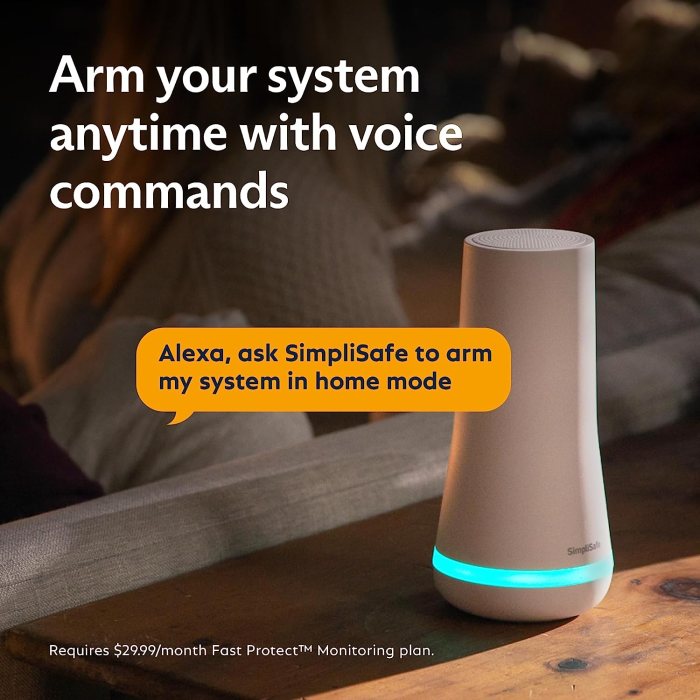
- Control Panel: The central hub of the system where homeowners can arm/disarm the alarm, receive alerts, and monitor security status.
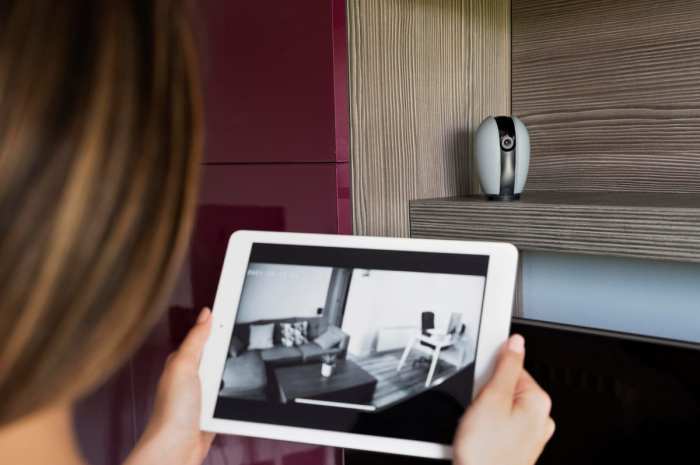
- Cameras: Surveillance cameras offer visual monitoring of the property, allowing homeowners to check live feeds and recordings remotely.
- Mobile App Integration: Modern systems come with mobile apps that enable users to control the alarm system, receive notifications, and view camera feeds from anywhere.
- Smart Locks: These locks can be remotely controlled and integrated into the alarm system, providing an additional layer of security.
- Alarm Sirens: Loud sirens are activated upon detecting a security breach, alerting occupants and potentially deterring intruders.
Advanced Features in 2025
In 2025, home automation alarm systems are expected to boast cutting-edge features that enhance security and convenience for homeowners.Integration of Artificial Intelligence
Artificial intelligence (AI) is revolutionizing alarm systems by enabling them to learn and adapt to homeowners' routines and behaviors. By analyzing data from sensors, cameras, and other devices, AI can differentiate between normal activities and potential threats. This allows the system to provide more accurate alerts and responses, reducing false alarms and improving overall security.IoT Device Integration
The integration of Internet of Things (IoT) devices with alarm systems is becoming more prevalent in 2025. Smart devices such as door locks, lights, and thermostats can now communicate with alarm systems to create a comprehensive smart home security ecosystem. For example, when the alarm is triggered, IoT devices can automatically turn on lights, lock doors, and adjust temperatures to enhance security measures.Security and Privacy Concerns
As home automation alarm systems become more prevalent in households, there are several security and privacy concerns that need to be addressed to ensure the safety of users and their data.
Data Security Measures
It is crucial to implement various measures to protect the data collected by home automation alarm systems. Some common methods include:
- Encryption of data: Utilizing strong encryption algorithms to secure data transmission and storage.
- Two-factor authentication: Adding an extra layer of security by requiring users to provide two forms of identification before accessing the system.
- Regular software updates: Ensuring that the system is up-to-date with the latest security patches to prevent vulnerabilities.
Privacy Protection Strategies
Protecting the privacy of users is equally important. Here are some strategies to safeguard privacy:
- Data anonymization: Removing personally identifiable information from collected data to maintain user anonymity.
- User consent: Obtaining explicit consent from users before collecting and using their data.
- Data minimization: Collecting only the necessary data required for the system to function, reducing the risk of unnecessary exposure.
Encryption Methods
There are different encryption methods used in securing alarm system data, each offering varying levels of security:
| Encryption Method | Description |
|---|---|
| AES (Advanced Encryption Standard) | A widely-used symmetric encryption algorithm known for its strong security. |
| RSA (Rivest-Shamir-Adleman) | An asymmetric encryption algorithm commonly used for secure data transmission. |
| SHA (Secure Hash Algorithm) | A cryptographic hash function used for data integrity verification. |
Integration with Smart Home Ecosystem
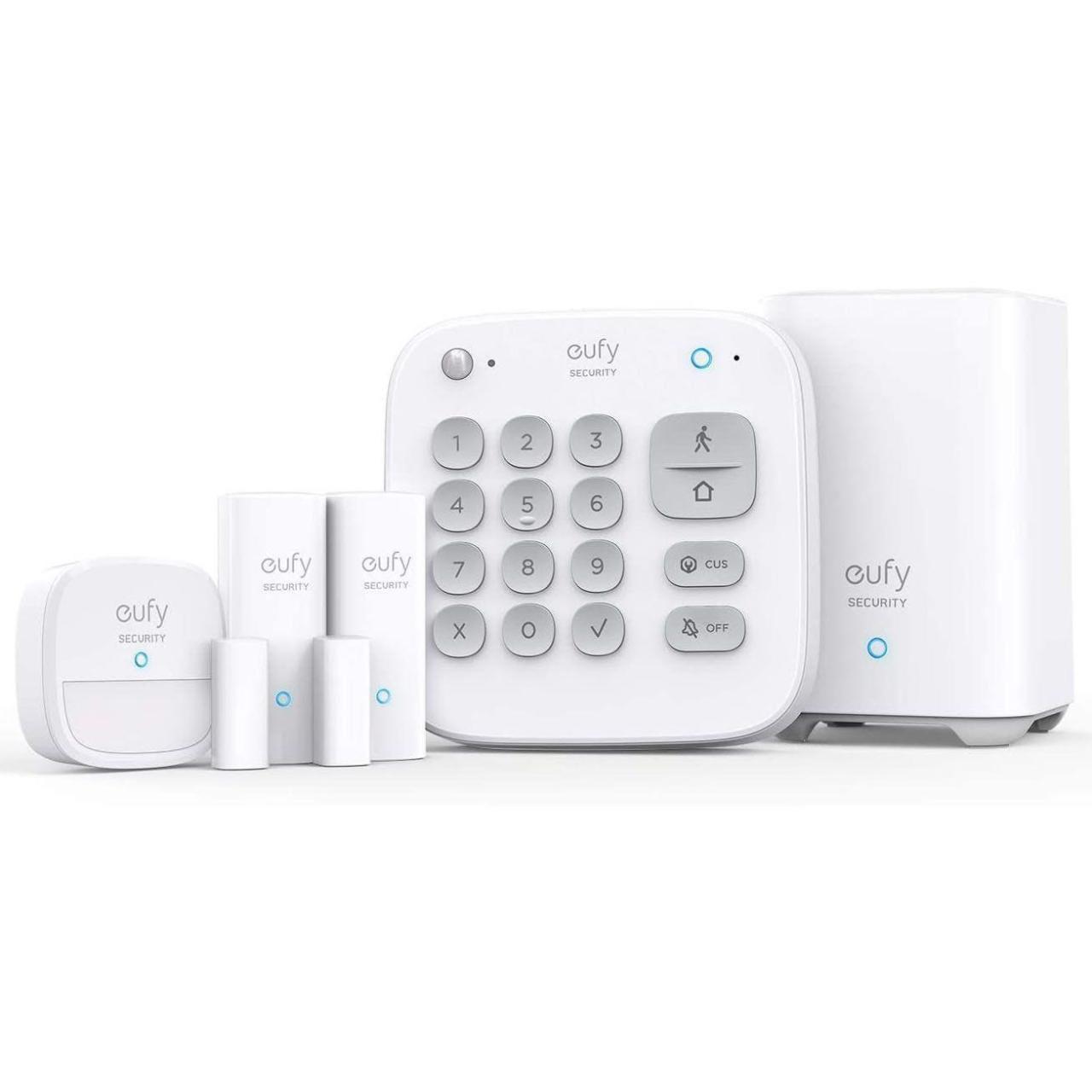 Home automation alarm systems in 2025 are designed to seamlessly integrate with other smart home devices, creating a cohesive and interconnected ecosystem that enhances convenience, security, and overall user experience.
Smart Lighting Integration
Smart home alarm systems can work in conjunction with smart lighting systems to enhance home security. For example, when the alarm is triggered, the lights can automatically turn on to deter intruders or illuminate the path for emergency exits. This integration provides an added layer of security and peace of mind for homeowners.Thermostat Coordination
Alarm systems can also communicate with smart thermostats to enhance energy efficiency and comfort. In the event of a fire alarm, the thermostat can automatically shut off the HVAC system to prevent the spread of smoke or flames. This integration not only ensures safety but also helps in reducing energy consumption and utility bills.Camera Collaboration
Integration with smart cameras allows homeowners to monitor their property in real-time from anywhere. Alarm systems can trigger the cameras to start recording when an alarm is activated, providing visual evidence of any security breaches. This feature enhances surveillance capabilities and assists in quick response to potential threats.Benefits of Seamless Integration
Having a seamlessly integrated smart home ecosystem offers numerous benefits, including enhanced security, convenience, and energy efficiency. With all devices working in harmony, homeowners can have a centralized control system that simplifies their daily routines and provides peace of mind. The automation and coordination among different devices create a more efficient and responsive home environment, making life easier and safer for residents.Ending Remarks
In conclusion, Best Home Automation Alarm Systems in 2025 offer a blend of advanced features, robust security measures, and effortless integration with smart home ecosystems. Embracing these innovations not only enhances convenience but also ensures the safety and privacy of your living space. Stay ahead of the curve and experience the future of home security today.
FAQ Compilation
What are the key components of a modern home automation alarm system?
Key components include sensors, control panel, security cameras, and a monitoring service for real-time alerts and response.
How does artificial intelligence enhance alarm systems in 2025?
AI algorithms can analyze patterns, detect anomalies, and improve system efficiency to provide more accurate and proactive security measures.
What encryption methods are commonly used to secure alarm system data?
Common encryption methods include AES (Advanced Encryption Standard) and SSL/TLS (Secure Sockets Layer/Transport Layer Security) for securing data transmission and storage.