Exploring the realm of smart home technology, one is faced with the decision between professional installation services and the do-it-yourself approach. Each option comes with its own set of advantages and drawbacks, shaping the experience of transforming a house into a smart home.
Pros and Cons of Professional Smart Home Installation
When it comes to setting up a smart home system, hiring professionals can offer numerous benefits in terms of expertise and reliability. However, there are also potential drawbacks to consider before opting for professional installation services.Benefits of Hiring Professionals
- Expertise: Professional installers have the knowledge and experience to set up complex smart home systems efficiently.
- Reliability: Professionals can ensure that the installation is done correctly the first time, reducing the risk of technical issues.
- Customization: Professional installers can tailor the smart home setup to meet your specific needs and preferences.
- Support: Many professional installation services offer ongoing support and maintenance for your smart home system.
- Safety: Professionals are trained to handle electrical components and ensure that the installation is done safely.
Drawbacks of Professional Installation
- Cost: Professional installation services can be expensive, especially for more complex smart home setups.
- Availability: Scheduling an appointment with a professional installer may take time, delaying the setup process.
- Dependence: Relying on professionals for installation may limit your ability to make changes or upgrades to the system on your own.
Comparison of Reliability and Expertise
- Professional Installers: Professionals have the training and expertise to ensure a smooth and reliable installation process.
- DIY Systems: Setting up a smart home system on your own may lack the precision and reliability of professional installation.
- Technical Knowledge: Professionals are equipped with the technical knowledge needed to troubleshoot and resolve any issues that may arise during installation.
Pros and Cons of DIY Smart Home Systems
When it comes to setting up smart home systems, some individuals prefer the do-it-yourself approach for various reasons. Let's explore the advantages and challenges associated with DIY smart home setups.Advantages of Choosing a DIY Approach
- Cost-Effectiveness: DIY smart home systems often come with lower upfront costs as you can purchase individual components and install them yourself, saving on professional installation fees.
- Customization Options: With a DIY setup, you have the flexibility to choose specific smart home devices that meet your needs and preferences, allowing for a more customized home automation experience.
- Learning Experience: Installing smart home devices on your own can be a valuable learning experience, providing you with a better understanding of how the technology works and how to troubleshoot issues.
Challenges of Installing Smart Home Systems on Your Own
- Technical Expertise Required: Setting up DIY smart home systems may require some technical know-how, such as understanding wireless protocols, compatibility issues, and troubleshooting potential connectivity issues.
- Time and Effort: Installing smart home devices can be time-consuming, especially if you are not familiar with the setup process, troubleshooting steps, or integrating different devices within the system.
- Security Risks: Improper installation of smart home devices can pose security risks, such as vulnerabilities that hackers could exploit, leading to potential data breaches or unauthorized access to your home network.
Cost-Effectiveness and Customization Options of DIY Smart Home Setups
When comparing the cost-effectiveness and customization options of DIY smart home setups, it is essential to consider your budget, technical skills, and desired level of automation. While a DIY approach may offer cost savings and customization flexibility, it also requires time, effort, and technical expertise to ensure a successful installation and secure smart home environment.Expertise and Skill Level Required
When it comes to smart home installations, the level of expertise and technical skills required can vary significantly depending on whether you opt for a professional installation or a DIY system. Let's delve into the specifics of what is needed for each option.Professional Smart Home Installation
For a professional smart home installation, a high level of technical expertise is essential. Professionals in this field typically have in-depth knowledge of various smart home technologies, protocols, and systems. They are proficient in designing and implementing complex smart home setups that cater to the specific needs and preferences of the homeowner. Additionally, they are skilled in troubleshooting any issues that may arise during the installation process, ensuring a seamless and efficient setup.DIY Smart Home Systems
On the other hand, DIY smart home systems are designed to be user-friendly and accessible to individuals with varying levels of technical skills. While a basic understanding of technology and home networking is helpful, most DIY smart home systems come with step-by-step instructions and user-friendly interfaces that make the installation process relatively straightforward. However, users may still encounter challenges that require troubleshooting skills, such as configuring devices, connecting to the network, or integrating different components.Learning Curve
The learning curve for professional smart home installation is steep, requiring extensive training, certification, and hands-on experience to master the complexities of smart home technology. Professionals in this field invest significant time and effort in staying updated on the latest advancements and best practices to deliver high-quality installations.On the other hand, the learning curve for DIY smart home systems is more gradual, as users can learn and troubleshoot issues at their own paceFactors Influencing Decision Making
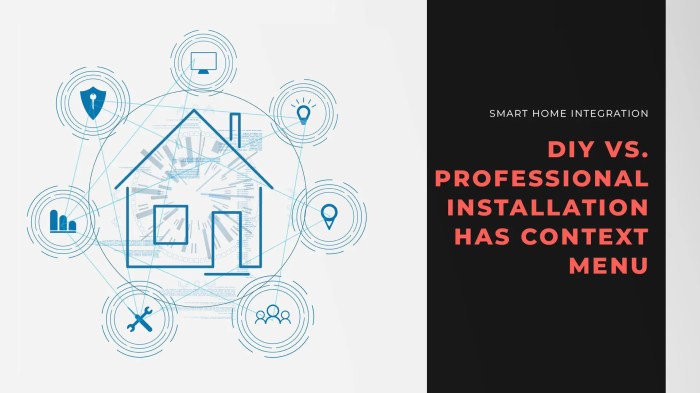 Deciding between professional smart home installation and a DIY approach involves considering several factors that can influence your choice. These factors range from budget constraints to the complexity of the smart home setup you desire.
Budget Constraints
When it comes to budget, professional smart home installation typically comes with a higher upfront cost compared to a DIY system. Professional installation involves paying for the expertise and labor of the professionals, which can be a significant investment. On the other hand, opting for a DIY smart home system allows you to save on installation costs but may require additional purchases for equipment and tools.Time Constraints
Time constraints play a crucial role in decision making. If you have a busy schedule and limited time to dedicate to setting up your smart home, opting for professional installation can save you time and hassle. Professionals can efficiently install and set up your system, ensuring everything works seamlessly. However, if you have the time and patience to tackle a DIY project, you may find satisfaction in setting up your smart home on your own timeline.Complexity of Smart Home Setup
The complexity of the smart home setup you desire can also impact your decision. Professional installers have the expertise to handle complex installations, including integrating multiple devices and ensuring everything works harmoniously. If your smart home setup involves intricate configurations or specialized requirements, professional installation may be the better choice. On the other hand, if you have a straightforward setup with basic devices, a DIY approach can be a viable option.Warranties, Support, and Future Upgrades
Considering warranties, support, and future upgrades is essential when making a decision. Professional installations often come with warranties on labor and equipment, providing you with peace of mind in case of issues. Additionally, professional installers can offer ongoing support and assistance, ensuring your smart home functions optimally. On the other hand, DIY systems may lack comprehensive warranties and professional support, making future upgrades and troubleshooting more challenging.Convenience and Peace of Mind vs. Satisfaction of DIY Accomplishment
The choice between professional installation and a DIY approach boils down to convenience and peace of mind versus the satisfaction of a DIY accomplishment. Professional installation offers convenience and peace of mind, knowing that experts have set up your smart home correctly. On the other hand, opting for a DIY approach can be rewarding, providing a sense of accomplishment and personalization in setting up your smart home according to your preferences.Ultimate Conclusion
In conclusion, the choice between professional smart home installation and DIY systems ultimately depends on individual preferences, technical skills, and budget considerations. Whether opting for the expertise of professionals or the satisfaction of DIY accomplishment, the goal remains the same: creating a convenient and efficient smart home environment.
Questions and Answers
Is professional smart home installation more expensive than DIY systems?
Professional installations typically come with a higher upfront cost, but DIY systems might require additional purchases for equipment and tools.
Can DIY smart home systems offer the same level of reliability as professional installations?
While DIY systems can be reliable if set up correctly, professional installations often come with warranties and guarantees.
What technical skills are necessary for implementing a DIY smart home system?
Basic knowledge of technology and electrical systems is essential for successfully setting up a DIY smart home system.